
Accessibility Testing: Why Inclusivity Should Be Your Priority
By Evan Katz — The HCD Experience • Nov 8, 2024 • Updated: Nov 11, 2024 • 6 min read
In today's digital age, creating products and services that everyone can use is not just a best practice — it's a business imperative. As more companies recognize the importance of inclusive design, accessibility testing has become a critical part of ensuring that websites, apps, and software are usable by people of all abilities. From improving the user interface (UI) to enhancing usability, making inclusivity a priority not only benefits individuals with disabilities but also strengthens your brand and broadens your audience.
Here's why accessibility testing should be at the forefront of your design process and how prioritizing inclusivity can drive better outcomes for both users and businesses.
What is Accessibility Testing?
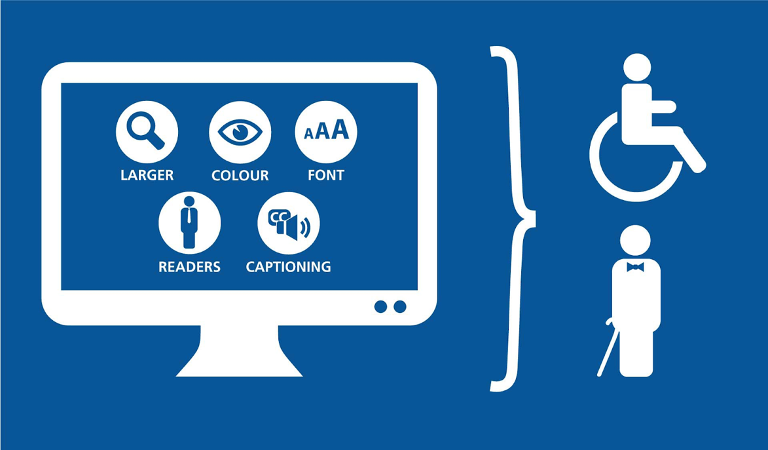
Accessibility testing evaluates whether a product — whether a website, mobile app, or software — is usable by individuals with disabilities. This can include people with visual, auditory, motor, cognitive, or other impairments. The goal is to ensure that your user interface and user experience adhere to accessibility standards, such as the Web Content Accessibility Guidelines (WCAG), and provide an inclusive experience for all users.
Why Inclusivity Should Be Your Priority
1. Expanding Your Audience
By prioritizing accessibility, you're making your product usable for a broader audience. According to the World Health Organization (WHO), over one billion people — or roughly 15% of the world's population — live with some form of disability. This is a significant portion of the population that cannot be ignored. Failing to make your digital platforms accessible excludes this large user base and limits your growth potential.
When you prioritize inclusivity, you open your product up to more users. This could mean higher traffic, better user engagement, and, ultimately, more conversions.
2. Enhancing User Experience for All
Accessibility testing doesn't just benefit users with disabilities. Often, improvements made to ensure accessibility — such as better color contrast, larger fonts, and intuitive navigation — enhance the overall usability for all users. When accessibility features like keyboard navigation, voice commands or screen readers are implemented, it often results in cleaner, more organized, and more efficient designs that improve the experience for everyone.
Focusing on inclusivity ensures that your design caters to different needs and preferences, making your platform more user-friendly for a wide range of people. For example, many users without disabilities may appreciate the ease of keyboard shortcuts or the ability to navigate without a mouse, especially when multitasking or using your product in less-than-ideal conditions.
3. Legal Compliance
Governments around the world are enacting stricter regulations around accessibility, and businesses that fail to comply with these laws may face significant penalties. In many regions, digital accessibility is mandated by law under regulations such as the Americans with Disabilities Act (ADA) in the U.S. or the Equality Act in the U.K. Non-compliance can lead to legal action, which can be costly and damaging to your brand's reputation.
Accessibility testing ensures that your product complies with these regulations, reducing the risk of lawsuits and demonstrating your commitment to inclusivity. Additionally, accessible websites and apps are more likely to receive favorable attention from government contracts, organizations, and users who prioritize ethical businesses.
4. Improving Brand Reputation and Customer Loyalty
In an era where consumers are increasingly concerned with corporate responsibility, companies prioritizing inclusivity stand out. By demonstrating a commitment to accessibility and inclusive design, you show that your brand values all users and is committed to creating equal opportunities. This can boost your brand's reputation, attract socially conscious customers, and foster loyalty among a wider audience.
Moreover, customers who feel valued and included are likelier to remain loyal to your brand and recommend your products to others. Word-of-mouth advocacy from users who appreciate your inclusive efforts can further enhance your reputation and expand your reach.
5. Optimizing for SEO and Performance
Accessibility improvements often align with best practices for search engine optimization (SEO) and website performance. For example, adding alt text to images, providing video captions, and optimizing page structure to support screen readers can help search engines better understand and index your content. This boosts your site's visibility and rankings on search engines like Google.
Furthermore, accessible websites tend to have cleaner, more efficient code, which can reduce load times and improve overall site performance. This enhances the user experience and helps you meet SEO requirements for faster, mobile-friendly websites.
Key Elements of Accessibility Testing
To effectively prioritize accessibility, you need to incorporate accessibility testing into your design and development processes. Here are some key areas to focus on:
1. Keyboard Navigation
For users with motor disabilities, navigating your product via keyboard is essential. Ensure that all elements on your website or app are easily navigable using the keyboard alone, without requiring a mouse. Focus on the tab order of interactive elements, making sure users can move through the interface logically and efficiently.
2. Screen Reader Compatibility
Many users with visual impairments rely on screen readers to navigate digital platforms. Accessibility testing should ensure that screen readers can accurately interpret and communicate your site's content, including text, buttons, images, and forms. To make your content accessible, use proper semantic HTML and provide descriptive alt text for images.
3. Color Contrast and Visual Design
Ensure that your visual design choices, such as text color and background contrast, are sufficient for users with low vision or color blindness. Accessibility guidelines recommend a contrast ratio of at least 4.5:1 for regular text and 3:1 for larger text. Testing color contrast is a crucial part of accessibility testing to ensure readability for all users.
4. Audio and Video Accessibility
For users with auditory disabilities, providing captions or transcripts for video content and alternative text descriptions for audio files is essential. Accessibility testing should ensure that all multimedia elements are fully accessible, including making controls for adjusting volume or pausing content easily usable.
5. Responsive and Mobile-Friendly Design
Since many users access content on mobile devices, your website or app must be fully responsive and accessible on all screen sizes. Mobile accessibility testing ensures that touch targets are large enough to be selected by users with motor impairments and that your layout adjusts properly for different orientations and screen sizes.
Building an Inclusive Culture Through Design
Creating an accessible product is more than just a technical requirement — it reflects your organization's culture of inclusivity. Inclusive design means recognizing people's diverse needs and ensuring that all voices are heard during the design process. By involving people with disabilities in your testing phases, whether through focus groups, usability testing, or beta releases, you can gain valuable insights into how to better meet all your users' needs.
Accessibility is not a one-time task but an ongoing commitment. Ensure accessibility is built into your development and testing cycles from the beginning and continuously refined through feedback and iteration. By embedding accessibility into your company's DNA, you can create products that work for everyone, regardless of ability.
Conclusion: Prioritize Inclusivity for a Better Future
Accessibility testing should be at the core of your product development process, not just to comply with legal standards but to build a more inclusive and equitable digital landscape. By prioritizing inclusivity through accessibility testing and inclusive design, you not only create better products but also foster goodwill, loyalty, and engagement from a wider audience.
In the end, inclusive design benefits everyone — improving usability, expanding your market, and making your product more versatile and adaptable to all kinds of users. As businesses continue to evolve, those that embrace accessibility as a priority will lead the way in creating a more connected and inclusive future.
By investing in accessibility, you're not just designing for compliance — you're designing for people.